
by paulina@baraibar.com.mx | Jul 11, 2026 | Constitutional Law, Human Rights
Mochila Segura inconstitucional es la declaración que emitió la Primera Sala de la Suprema Corte de Justicia de la Nación al resolver que este programa carece de un marco legal que sustente la revisión obligatoria de las pertenencias de los estudiantes. Sin embargo, la resolución no prohíbe toda intervención escolar: distingue entre revisiones arbitrarias y actuaciones justificadas por sospecha razonable o consentimiento informado. Por lo tanto, padres de familia y autoridades educativas necesitan entender con precisión qué pueden y qué no pueden hacer las escuelas hoy en México. Esta guía explica, con lenguaje accesible, los alcances reales de la resolución y las acciones concretas disponibles para cada parte involucrada.
¿Qué significa que Mochila Segura sea inconstitucional?
La Primera Sala de la Suprema Corte resolvió el amparo en revisión 41/2020 el 3 de febrero de 2021, con ponencia del ministro Jorge Mario Pardo Rebolledo. Por una mayoría de cuatro votos, la Corte concedió el amparo a un padre y una madre que se inconformaron porque sus hijos fueron sometidos a revisiones de mochilas sin su consentimiento expreso. Asimismo, el criterio quedó plasmado en la tesis 1a. V/2022 (10a.), con número de registro digital 2024146, publicada el 4 de febrero de 2022 en el Semanario Judicial de la Federación.
El argumento central de la Corte es sencillo de explicar. Ninguna ley federal ni estatal regula de manera específica cómo, cuándo y bajo qué condiciones el personal escolar puede revisar las pertenencias de un estudiante. En consecuencia, aplicar el operativo de forma generalizada y obligatoria transgrede el derecho a la privacidad y a la intimidad de niñas, niños y adolescentes, reconocido por el artículo 16 constitucional.
Aunque la resolución se emitió hace varios años, su relevancia práctica sigue vigente en 2026, pues buena parte de las escuelas mexicanas no ha actualizado sus reglamentos internos conforme a este criterio. Por lo tanto, cada nuevo ciclo escolar representa una oportunidad para que padres y directivos revisen si los protocolos vigentes realmente cumplen con los estándares fijados por la Primera Sala, en lugar de asumir que un documento redactado hace una década sigue siendo válido.
🔗 ENLACE EXTERNO: Consulta la tesis 1a. V/2022 (10a.) en el Semanario Judicial de la Federación → https://sjf2.scjn.gob.mx/detalle/tesis/2024146
El artículo 16 constitucional y el derecho a la privacidad de los menores
El fundamento de la resolución se encuentra en el artículo 16 de la Constitución Política de los Estados Unidos Mexicanos, que protege a toda persona frente a actos de molestia que no estén debidamente fundados y motivados por autoridad competente. Aunque el personal escolar no es propiamente una autoridad en sentido estricto, la Corte extendió esta lógica de protección a los espacios educativos, reconociendo que niñas, niños y adolescentes también son titulares plenos del derecho a la privacidad e intimidad.
Este razonamiento no es menor. Durante años, prevaleció la idea de que los menores, por estar bajo la tutela de la escuela durante la jornada, tenían un nivel reducido de protección frente a este tipo de intervenciones. Sin embargo, la Primera Sala revirtió esa presunción al establecer que cualquier restricción a la privacidad de un estudiante debe estar justificada, ser proporcional y contar con un mínimo de regulación clara, tal como ocurriría con cualquier otro acto de molestia dirigido a una persona adulta.
De igual manera, la resolución dialoga con el principio del interés superior de la niñez, reconocido en el artículo 4 constitucional y en la Convención sobre los Derechos del Niño. Este principio exige que, al ponderar la seguridad escolar frente a la privacidad individual, la autoridad y las instituciones educativas busquen la alternativa que menos afecte los derechos del menor, sin sacrificar por ello la protección de la comunidad escolar en su conjunto.
🔗 ENLACE EXTERNO: Consulta el texto vigente del artículo 16 constitucional → https://www.diputados.gob.mx/LeyesBiblio/pdf/CPEUM.pdf
⚖️ Do you have questions about this topic? The lawyers at Baráibar & Asociados in Mexico City can guide you. Schedule your consultation today.
¿Qué pueden y qué no pueden hacer las escuelas hoy?
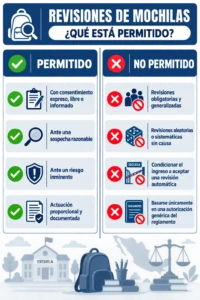
Tras la declaración de Mochila Segura inconstitucional, ninguna escuela puede imponer revisiones obligatorias y generalizadas sin sustento legal ni consentimiento. De igual manera, tampoco puede condicionar el ingreso a clases a la aceptación automática de una revisión sin informar previamente a los padres sobre sus alcances. Esta prohibición aplica tanto a escuelas públicas como privadas, pues el derecho a la privacidad de los menores no depende del tipo de institución.
No obstante, la Corte fue clara en que la inconstitucionalidad del programa no significa que las escuelas queden indefensas ante riesgos reales. Las instituciones educativas conservan la facultad de intervenir cuando existe sospecha razonable, es decir, elementos objetivos que hagan pensar que un estudiante porta un objeto peligroso o una sustancia prohibida. Igualmente, en situaciones de riesgo inminente para la comunidad escolar, la actuación de mayor intensidad resulta justificada, aun sin autorización previa de los padres.
Derechos de los padres de familia frente a las revisiones escolares
Para las familias, la resolución de la Corte se traduce en derechos concretos y exigibles. En primer lugar, ningún colegio puede revisar las pertenencias de un menor sin que exista consentimiento expreso, libre e informado de los padres o tutores, o bien, una causa justificada de sospecha razonable o riesgo inminente. Además, ese consentimiento debe solicitarse de manera clara, sin presión y con información suficiente sobre el alcance del operativo.
De acuerdo con el Lic. López Andrade, socio de Baráibar & Asociados, “las familias suelen asumir que firmar el reglamento escolar al inicio del ciclo autoriza automáticamente cualquier tipo de revisión, y eso es jurídicamente incorrecto; el consentimiento debe ser específico, informado y revocable, no una cláusula genérica perdida entre decenas de páginas”. Esta precisión resulta relevante porque, en la práctica, muchos planteles siguen operando bajo esquemas de autorización general que no cumplen con los estándares fijados por la Primera Sala.
Por su parte, los padres también tienen derecho a solicitar que la escuela documente por escrito los protocolos de revisión vigentes, así como a exigir que cualquier intervención respete la dignidad e integridad emocional del estudiante revisado. Adicionalmente, es recomendable que las asociaciones de padres de familia soliciten a la dirección escolar una sesión informativa sobre los nuevos protocolos, en lugar de esperar a que ocurra un incidente para conocerlos. De esta manera, toda la comunidad escolar comparte el mismo entendimiento sobre los límites y alcances de una revisión legítima.
¿Cuándo sí procede una revisión aunque Mochila Segura sea inconstitucional?
Resulta fundamental distinguir entre lo prohibido y lo permitido. La declaración de Mochila Segura inconstitucional no elimina toda posibilidad de revisión; simplemente exige que exista una base legítima para realizarla. Por ejemplo, si un docente observa que un estudiante oculta un objeto punzocortante, esa sospecha razonable justifica una intervención inmediata, incluso sin consentimiento previo de los padres.
De la misma manera, cuando existe evidencia de que se cometió o está por cometerse un delito dentro del plantel, las autoridades escolares pueden actuar con mayor grado de intervención para proteger a la comunidad, siempre que la actuación sea proporcional al riesgo identificado. En cambio, las revisiones aleatorias, sistemáticas y sin causa específica —como las que caracterizaban al operativo original— permanecen prohibidas, sin importar que se realicen con buenas intenciones.
Pensemos en dos escenarios distintos. En el primero, un prefecto revisa mochila por mochila a todo un grupo escolar al inicio de clases, sin motivo particular; esta práctica quedó prohibida por la declaración de Mochila Segura inconstitucional. El segundo escenario es distinto: un compañero reporta que vio a un estudiante específico guardar un objeto sospechoso en su mochila. Esa información concreta constituye sospecha razonable y habilita una revisión focalizada, siempre que se documente el motivo y se informe a los padres lo antes posible.
🔗 ENLACE INTERNO: Conoce el principio de inmediación penal y su relación con las garantías procesales → https://baraibar.com.mx/principio-de-inmediacion-penal-garantia-de-un-juicio-justo/
📋 No enfrentes este proceso solo. En Baráibar & Asociados contamos con especialistas en Derecho Constitucional y Derechos Humanos listos para defender tus intereses en Ciudad de México.
¿Qué hacer si tu hijo fue revisado sin consentimiento?
Si una escuela realizó una revisión sin sustento legal ni consentimiento informado, los padres cuentan con vías legales concretas. La primera opción consiste en presentar una queja formal ante las autoridades educativas competentes, exigiendo la suspensión del protocolo irregular. Adicionalmente, cuando la violación resulta grave o reiterada, es posible promover un juicio de amparo indirecto, tal como lo hicieron los padres del caso que dio origen a esta tesis.
Cabe destacar que el plazo para interponer un amparo contra actos de esta naturaleza corre a partir de que el afectado tiene conocimiento del acto reclamado, por lo que actuar con prontitud incrementa las posibilidades de éxito. Asimismo, documentar el incidente —con fechas, testigos y comunicaciones con el plantel— fortalece cualquier reclamo posterior, sea administrativo o judicial. Igualmente, conviene solicitar por escrito una explicación formal a la dirección del plantel antes de escalar el caso a instancias superiores, ya que muchas controversias se resuelven en esta etapa temprana sin necesidad de litigio.
Por otra parte, cuando la revisión derivó en una sanción disciplinaria contra el estudiante, como una suspensión, esa sanción también puede impugnarse si se originó en una intervención ilegal. En consecuencia, la irregularidad en el origen de la prueba puede invalidar las consecuencias que de ella se derivaron, un argumento que conviene desarrollar con acompañamiento legal especializado.
Errores comunes en los protocolos escolares actuales
A pesar de la claridad del criterio de la Corte, muchas instituciones educativas conservan protocolos que no se ajustan a la nueva interpretación constitucional. Un error frecuente consiste en mantener cláusulas de “autorización general” firmadas al inicio del ciclo escolar, que pretenden cubrir cualquier tipo de revisión futura sin especificar supuestos concretos. Este tipo de cláusula difícilmente resistiría un análisis judicial, pues no constituye un consentimiento informado en sentido estricto.
Otro error común ocurre cuando el personal escolar realiza revisiones por rutina, sin documentar la sospecha razonable que las motivó. De ahí que, ante una eventual queja, la escuela no pueda acreditar que actuó dentro de los supuestos permitidos por la tesis 1a. V/2022 (10a.). Por último, algunas instituciones delegan las revisiones a personal sin capacitación específica, lo que incrementa el riesgo de que la intervención se realice de forma desproporcionada o poco respetuosa con la dignidad del estudiante. De ahí que resulte recomendable que la revisión de protocolos escolares se realice con acompañamiento jurídico, en lugar de replicar formatos genéricos utilizados por otras instituciones sin adaptarlos al criterio vigente de la Suprema Corte.
Recomendaciones para instituciones educativas
Las escuelas también deben adaptarse a este nuevo estándar. En primer lugar, conviene diseñar un protocolo escrito que distinga con claridad los supuestos de sospecha razonable, riesgo inminente y revisión consensuada, evitando fórmulas genéricas que no resistirían un escrutinio judicial. Por otra parte, capacitar al personal docente y administrativo sobre estos límites reduce el riesgo de conflictos legales y refuerza la confianza de las familias en la institución.
De acuerdo con el Lic. López Andrade, socio de Baráibar & Asociados, “los colegios que actualicen sus protocolos antes de un incidente, en lugar de reaccionar después de una queja, reducen de forma considerable su exposición legal y fortalecen la relación con los padres de familia”. Finalmente, cualquier revisión que se realice, aun bajo causa justificada, debe documentarse de manera inmediata para acreditar que se actuó conforme a los criterios de la Corte.
🔗 ENLACE INTERNO: Revisa el análisis de la reforma constitucional de junio de 2026 → https://baraibar.com.mx/reforma-constitucional-junio-2026-eleccion-judicial/
⚖️ Protege los derechos de tu familia con la asesoría legal experta de Baráibar & Asociados.
Conclusion
La declaración de Mochila Segura inconstitucional no es un permiso para que las escuelas dejen de cuidar la seguridad escolar, ni tampoco una prohibición absoluta de toda revisión. Se trata, en cambio, de un límite claro: cualquier intervención sobre las pertenencias de un estudiante requiere consentimiento informado, sospecha razonable o riesgo inminente debidamente acreditado. Además, tanto padres como escuelas se benefician de contar con protocolos claros y asesoría legal oportuna. Finalmente, conocer estos límites evita conflictos innecesarios y protege, al mismo tiempo, los derechos de los menores y la seguridad de la comunidad escolar. En este sentido, tanto las familias como las instituciones educativas ganan cuando el diálogo sobre seguridad escolar se construye sobre reglas claras, en lugar de operativos improvisados que terminan judicializándose.
Preguntas frecuentes sobre Mochila Segura inconstitucional
¿Por qué la SCJN declaró que Mochila Segura es inconstitucional?
Porque el programa carecía de un marco legal que regulara cómo, cuándo y bajo qué condiciones podían revisarse las pertenencias de los estudiantes, lo que transgredía el derecho a la privacidad reconocido por el artículo 16 constitucional, según la tesis 1a. V/2022 (10a.).
¿Las escuelas ya no pueden revisar mochilas nunca?
Sí pueden, siempre que exista consentimiento informado de los padres, sospecha razonable de un riesgo concreto, o una situación de peligro inminente para la comunidad escolar, conforme al criterio de la Primera Sala de la Suprema Corte.
¿Qué es la sospecha razonable en este contexto?
Son elementos objetivos y verificables, distintos de una simple corazonada, que llevan a pensar que un estudiante porta un objeto peligroso o una sustancia prohibida, permitiendo una intervención de menor intensidad sin consentimiento previo.
¿Qué puedo hacer si mi hijo fue revisado sin mi autorización?
Puedes presentar una queja formal ante la autoridad educativa correspondiente y, en casos graves o reiterados, promover un juicio de amparo indirecto, siguiendo el mismo camino legal que dio origen a la tesis 1a. V/2022 (10a.).
¿El consentimiento firmado al inscribir a mi hijo autoriza cualquier revisión?
No necesariamente. El consentimiento debe ser específico, informado y revocable; una cláusula genérica dentro del reglamento escolar no siempre cumple con los estándares de validez exigidos por la Primera Sala de la Corte.
¿Esta tesis aplica igual a escuelas públicas y privadas?
Sí. El derecho a la privacidad y a la intimidad de niñas, niños y adolescentes protegido por el artículo 16 constitucional no distingue entre instituciones públicas y privadas, por lo que el criterio aplica a ambos tipos de plantel.
Referencias jurídicas: Tesis 1a. V/2022 (10a.), Registro digital 2024146, Semanario Judicial de la Federación; Amparo en revisión 41/2020, Primera Sala de la SCJN; artículo 16 de la Constitución Política de los Estados Unidos Mexicanos.
This article is for informational purposes only and does not constitute formal legal advice or establish an attorney-client relationship.
by paulina@baraibar.com.mx | Jun 29, 2026 | Criminal law
| Manuel Baráibar Tovar contributed to the construction of jurisprudence on the principle of immediacy in criminal proceedings in the Mexican oral accusatory system. |
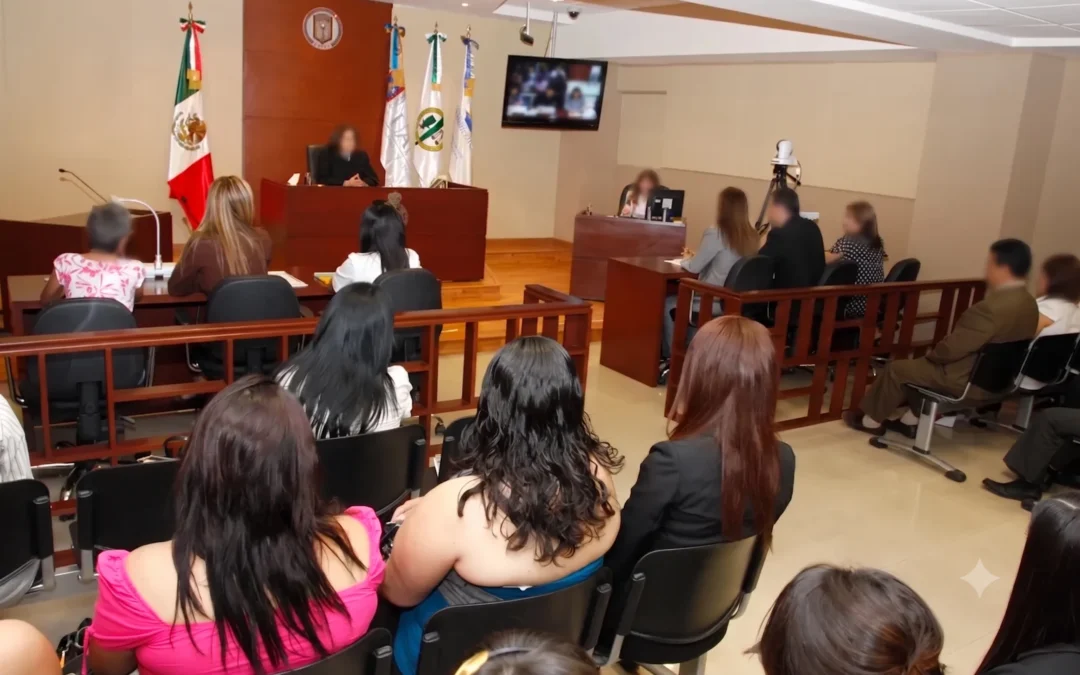
This principle is one of the cornerstones of the oral adversarial system established in Article 20 of the Constitution. Essentially, it requires that the judge who presided over the presentation of evidence in the oral trial be the same judge who issues the sentence. However, this is not always the case, and the procedural consequences of violating it are significant.
Knowing the criteria of the Supreme Court of Justice of the Nation (SCJN) on this principle is essential for defendants and their defenders in Mexico.
Principle of immediacy in criminal law within the accusatory system
The principle of immediacy in criminal proceedings establishes that all hearings in the oral trial must be held before the judge, who cannot delegate their functions to another person. This guarantee ensures the judge's direct contact with the evidence: they hear statements from witnesses, experts, and the accused, observe their behavior, and form their conviction based on what they perceive during the hearing.
Far from being a mere formality, this principle constitutes a substantive guarantee. Its purpose is to protect the defendant's right to be tried by the same judge who directly reviewed the evidence.
Furthermore, the adversarial oral system was created to correct the shortcomings of the inquisitorial model, in which the investigating judge rarely handed down the sentence. In this context, the principle of immediacy in criminal proceedings strengthens judicial impartiality and the reliability of decisions.
What do the Constitution and the National Code say about principio de inmediación penal?
Article 20 of the Political Constitution of the United Mexican States establishes that criminal justice shall be accusatory and oral, governed by the principles of publicity, adversarial proceedings, concentration, continuity, and immediacy. Therefore, the principle of immediacy in criminal proceedings is not merely a jurisprudential criterion: it has constitutional status, and its violation can compromise the validity of the entire trial.
For its part, the National Code of Criminal Procedure (CNPP) elaborates on this principle in Article 9, stating that no procedural action may be delegated. Additionally, Article 67 of the CNPP stipulates that when a judge is replaced, the actions previously taken must be repeated before the new judge.
The jurisprudence of the SCJN interprets this mandate strictly.
| ⚖️ Do you have questions about your rights in a criminal trial? The lawyers at Baráibar & Asociados in Mexico City can guide you. Schedule your consultation today. |
How has the Supreme Court of Justice of the Nation (SCJN) defined the principle of immediacy in criminal proceedings?
The Supreme Court of Justice of the Nation has issued important rulings on the scope of the principle of immediacy in criminal proceedings. Specifically, it maintains that it would be pointless for the judge to hear the parties, take the defendant's statement, and question the witnesses if this is done in isolated instances or before different judges.
|
“The principle of immediacy in criminal proceedings is the difference between a genuine oral trial and a sham trial in the adversarial system. When the judge who hands down the sentence was not the one who heard the evidence, the decision loses its most fundamental procedural legitimacy. The Supreme Court of Justice of the Nation (SCJN) has been clear on this point, and at Baráibar & Asociados we have successfully invoked it in cases where attempts were made to replace the judge after the evidence had been presented. My participation in shaping the legal precedent allowed me, with great pride, to contribute to the development of the interpretation that now protects this principle in the Mexican adversarial system.”
— Manuel Baráibar Tovar, Esq., Founding Partner, Baráibar & Associates
|
The Supreme Court of Justice of the Nation (SCJN) also determined that the principle of immediacy in criminal proceedings operates as an essential procedural rule. This implies the presence of the judge throughout the entire oral trial hearing, from the presentation of evidence to the pronouncement of the sentence.
The judge who hears the oral trial must be the same one who hands down the sentence.
The rule is clear: the judge presiding over the oral trial must issue the sentence.
The Supreme Court of Justice of the Nation (SCJN) maintains that this requirement cannot be waived for reasons of administrative convenience or the workload of the Judiciary. If the judge is removed, reassigned, or replaced for any reason after the presentation of evidence has begun, the oral trial must be held again before the new judge.
Furthermore, a violation of the principle of immediacy in criminal proceedings produces a specific procedural consequence: the nullity of the oral trial. This means that a guilty verdict issued by a judge who did not witness the presentation of evidence can be overturned through an appeal or a direct amparo proceeding.
However, there is an important clarification that the Supreme Court of Justice of the Nation (SCJN) has established. This principle cannot be absolutely demanded at all stages of the process. The reason is that the constitutional reform prioritized guaranteeing judicial impartiality: a judge who knows all the background information from the beginning could lose objectivity when issuing a ruling.
When is the principle of immediacy in criminal proceedings violated?
Three main allegations of rape.
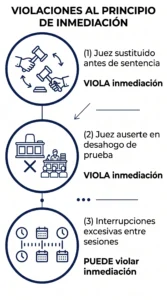
The jurisprudence of the SCJN identifies three main assumptions of violation of the principle of criminal immediacy.
First assumption. The judge who hands down the sentence is different from the one who presided over the presentation of evidence, without the evidence having been presented again before the new judge.
Second assumption. The judge was not present at all the hearings of the oral trial, either because he delegated his presence to another official or because he was unjustifiably absent during the presentation of relevant evidence.
Third assumption. There are excessive and unjustified interruptions between sessions of the oral trial that disrupt the concentration and continuity of the proceedings. In these cases, the judge loses a direct and complete understanding of the evidence.
An oral trial divided into sessions widely separated from each other can compromise the principle of immediacy in criminal proceedings, especially when the judge is replaced between sessions.
| 📋 Don't face criminal proceedings without specialized defense. At Baráibar & Asociados, we have experts in Criminal Law ready to defend your interests in Mexico City. |
Procedural consequences: the nullity of the oral trial
- As a rule, the violation of the principle of immediacy in criminal proceedings gives rise to the nullity of the oral trial.
- As a resultThe trial must be held again, with the full presentation of the evidence before the new judge, who will be the same one who issues the sentence.
- This nullityHowever, it is not updated automatically, but must be alleged and proven through the corresponding resources and means of appeal.
- The Supreme Court also He pointed out that the nullity resulting from the violation of the principle of immediacy in criminal proceedings does not always imply the immediate release of the accused.
Limits of the principle of immediacy in criminal proceedings according to the SCJN
As noted, the principle of immediacy in criminal proceedings cannot be absolutely demanded at all stages of the criminal process. The Supreme Court of Justice of the Nation (SCJN) has recognized that this principle operates primarily in the oral trial phase, not in prior stages such as the investigation, the initial hearing, or the preliminary hearing. Therefore, the fact that different judges are involved in these stages does not in itself violate the principle of immediacy.
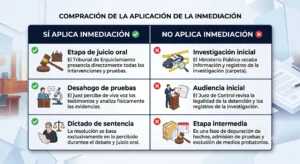
Furthermore, the Supreme Court of Justice of the Nation (SCJN) has determined that the principle of immediacy in criminal proceedings cannot be invoked to demand that the same judge preside over the case from its very inception. Strictly speaking, the principle requires that the judge presiding over the presentation of evidence in the oral trial be the same judge who hands down the sentence.
In that regard, it should be noted that the replacement of the judge before the formal start of the oral trial does not violate the principle, provided that the new judge presides over the trial hearings in their entirety and is the one who ultimately delivers the sentence.
| ⚖️ Protect your rights with expert legal advice from Baráibar & Asociados. We understand the accusatory system and know how to defend you. |
Conclusion: the principle of immediacy in criminal proceedings protects the legitimacy of the trial
The principle of immediacy in criminal proceedings is a constitutional guarantee that ensures that the oral trial is what it should be: a direct and personal evaluation of the evidence by the person who will make the most important decision regarding the defendant's freedom. Its violation is not a procedural technicality. It is a real infringement of the right to a fair trial.
At Baráibar & Asociados, we have specialists in Criminal Law who have in-depth knowledge of the Supreme Court of Justice of the Nation's jurisprudence on the oral adversarial system and who have participated in the development of these legal precedents. If the principle of immediacy in criminal proceedings was violated in your case, contact us to evaluate the available defense options.
Frequently asked questions about the principle of immediacy in criminal proceedings
1. In which article of the Constitution is the principle of immediacy in criminal proceedings found?
The principle of immediacy in criminal proceedings is enshrined in Article 20 of the Political Constitution of the United Mexican States, which establishes the principles of the oral adversarial system: publicity, adversarial proceedings, concentration, continuity, and immediacy. Its procedural development is found in Article 9 of the National Code of Criminal Procedure (CNPP).
2. What happens if the judge presiding over the oral trial is replaced before issuing a sentence?
If the trial judge is replaced before sentencing, the trial must be held again before the new judge, including the full presentation of evidence. If a sentence is issued without complying with this requirement, it constitutes a violation of the principle of immediacy in criminal proceedings and is subject to appeal. Legal basis: Articles 9 and 67 of the National Code of Criminal Procedure; Supreme Court of Justice of the Nation (SCJN) ruling ADR 492/2017.
3. Does a violation of the principle of immediacy in criminal proceedings lead to the release of the accused?
Not necessarily. A violation of the principle of immediacy in criminal proceedings results in the annulment of the oral trial and requires a new one. This does not imply an automatic acquittal of the accused, but rather that the process must be restarted respecting the guarantees of the adversarial system. However, in certain cases, it may justify a review of the pretrial detention measure while the proceedings are being restarted.
4. Does the principle of immediacy in criminal proceedings apply during the investigation stage?
No. The Supreme Court of Justice of the Nation (SCJN) has determined that the principle of immediacy in criminal proceedings operates primarily during the oral trial phase, not in prior stages such as the investigation, the initial hearing, or the intermediate stage. Therefore, it is valid for different judges to preside over these stages without this constituting a violation. Legal basis: SCJN rulings ADR 492/2017 and ADR 1644/2021.
5. How is a violation of the principle of immediacy in criminal proceedings challenged?
It may be challenged by means of an appeal against the final judgment, arguing a violation of procedural law that affects the defense and impacts the outcome of the ruling. Alternatively, it may be raised in a direct amparo proceeding. Legal basis: Articles 467, section IV, and 468 of the National Code of Criminal Procedure; Article 170 of the Amparo Law.
6. Can it be invoked if the judge was absent during a hearing?
Yes. If the judge was not present at all hearings of the oral trial—either because they delegated their presence to another official or because they were absent during the presentation of key evidence—this may constitute a violation of the principle of immediacy in criminal proceedings. The defense must accurately document the absence and demonstrate that it affected the outcome of the trial. Legal basis: Article 20, Section A, Paragraph V, CPEUM; Article 9 CNPP.
Legal references:
🔗 Article 20 of the Constitution — Principles of the accusatory system (CPEUM)
🔗 SCJN — Principle of Immediacy in Criminal Justice: Jurisprudence Notebook (2024)
🔗 Criminal act in arrest warrants and indictment — Baráibar & Associates
🔗 Constitutional Reform June 2026 — Postponement of Judicial Election
This article is for informational purposes only and does not constitute formal legal advice or establish an attorney-client relationship.

by paulina@baraibar.com.mx | Jun 25, 2026 | Administrative Law
The 2026 Federal Law on Administrative Litigation (LFPCA) reform, which came into effect on June 10, 2026, represents one of the most significant changes to federal administrative litigation since the consolidation of the Online Justice System. Published in the Official Gazette of the Federation on June 9, 2026, this reform profoundly alters how companies and individuals must defend their rights before the Federal Court of Administrative Justice (TFJA). Therefore, if your company has ongoing tax, customs, or administrative litigation—or anticipates it in the near future—this analysis is essential to avoid being at a procedural disadvantage.
LFPCA Reform 2026, why does it mark a before and after?
The Federal Law of Administrative Litigation Procedure (LFPCA) regulates the legal process through which individuals and companies challenge resolutions issued by federal authorities, primarily the Tax Administration Service (SAT), the Ministry of Finance and Public Credit (SHCP), the Mexican Social Security Institute (IMSS), and various regulatory agencies. However, prior to this reform, the legal framework lacked mandatory deadlines for the Tribunal's actions, leading to procedural uncertainty and unpredictable resolution times.
The 2026 LFPCA reform substantially changes this paradigm. First, it imposes specific deadlines for the TFJA to carry out actions that previously lacked a legal timeframe. Furthermore, it deepens the digitization of the procedure and expands the summary procedure. However, and this is crucial, it also redistributes procedural burdens to the detriment of the individual: it reduces the value of annulments due to procedural defects and grants the authority broader discretion to reinstate annulled acts.
Consequently, the reform is not neutral. It requires litigants to rethink their strategy from the initial pleading stage, strengthen their substantive arguments, and more rigorously monitor the electronic case file and notifications via the Jurisdictional Bulletin.
| ⚖️ Do you have questions about this reform? The lawyers at Baráibar & Asociados in Mexico City can guide you. Schedule your consultation today. |
New mandatory deadlines: the LFPCA reform 2026 sets time limits for the TFJA
One of the most visible changes in the 2026 LFPCA reform is the incorporation of express deadlines for actions that previously lacked a legal time limit. Similarly, limits are established for procedural acts by the parties. Among the most relevant are the following:
The Federal Court of Administrative Justice (TFJA) will have five business days to rule on any motion unless the law establishes a different deadline. This same timeframe also applies to admitting or dismissing claims, amendments, responses, and appearances, once the corresponding preliminary requirements have been met. The final judgment in summary proceedings must be issued within a maximum of six months from the date the claim is admitted, subject to suspensions resulting from incidental proceedings or appeals.
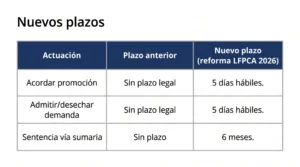
Comparison of procedural deadlines
However, it is important to emphasize that failure to meet these deadlines does not, in itself, result in a deemed resolution or the automatic loss of jurisdiction of the court. Its practical effectiveness will depend on the oversight and enforcement mechanisms provided for in the Law. Therefore, having specialized legal counsel is essential to take advantage of these deadlines as a defense tool.
Digitization of the trial: hybrid file and electronic notifications
The 2026 LFPCA reform takes a further step in the digitization of administrative litigation. Although individuals retain the right to choose between traditional and online proceedings, the reform allows the defendant authority and third parties to appear and submit arguments electronically, even within a case being processed through traditional means. In such cases, the TFJA (Federal Court of Administrative Justice) must print and certify the electronic filings and documents for inclusion in the physical case file.
However, the most critical change for businesses is the modification to the notification system via the Jurisdictional Bulletin. Once the new Article 65 is in effect, the notification will take effect on the second business day following publication, instead of the third business day previously stipulated. This reduces the litigant's time to react. Therefore, maintaining daily and independent monitoring of the Bulletin—without relying exclusively on email notifications—becomes an urgent and practical necessity.
Likewise, when submitting digitized documents, the applicant must declare, under oath, whether they are originals, certified copies, or simple copies. Failure to do so will create a presumption, to the detriment of the offeror, that the document is a simple copy.
Expansion of the summary procedure: benefit or strategic trap?
The 2026 LFPCA reform expands the scope of summary proceedings by increasing the threshold amount from fifteen to thirty times the Unit of Measurement and Update (UMA) per year. It also expressly incorporates resolutions issued by tax authorities in response to refund requests for overpayments or payments made in error. In principle, this may reduce the time required for disputes involving small and medium amounts.
However, the summary procedure also reduces the time available to obtain documents, prepare expert opinions, or gather technical information during the proceedings. Therefore, if your case falls under this procedure, the lawsuit must be filed with a practically complete theory of the case and evidentiary record from the outset. Similarly, the grounds for appeal must be solid and focused on the merits, because the time to develop them after filing the lawsuit will be minimal.
| 📋 Don't face this process alone. At Baráibar & Asociados, we have specialists in Administrative and Tax Law ready to defend your interests in Mexico City. |
Changes in the suspension of the contested act: less burden, more risks
The reform eliminates the requirement to prove that the execution of the challenged act could cause irreparable harm or damage. This ostensibly facilitates access to provisional relief. Therefore, obtaining a stay of the act should, in theory, be simpler for the individual.
However, the reform introduces two new scenarios in which a suspension will be considered to affect the public interest or violate public order: when it allows the continuation of activities requiring federal permits, authorizations, or concessions without them; or when it allows the commission or continuation of conduct that constitutes an infraction or crime. For companies in regulated sectors—energy, telecommunications, finance, and customs—these categories represent a real risk. In these cases, the suspension request must precisely define its effects and demonstrate that the measure only preserves the subject matter of the lawsuit.
Formal nullities and replacement of acts: strategic impact for companies
One of the most strategically impactful changes of the 2026 LFPCA reform concerns the reinstatement of actions annulled due to procedural or formal defects. The tax authority will have four months to reinstate the procedure and issue a new resolution—or one month in summary proceedings—even if, in tax matters, the time limits established in Articles 46-A, 50, or 67 of the Federal Tax Code have expired.
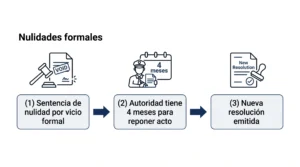
When there is nullity due to formal defects, the authority can replace the act within 4 months.
This amendment reduces the possibility that a formal annulment could, simply through the passage of time, become a definitively favorable ruling for the individual. Therefore, defense strategies based solely on procedural or formal defects lose some of their effectiveness. Instead, it will be necessary to strengthen substantive appeals and expressly request an analysis of the substantive arguments. It is worth noting that, as a counterbalance, the reform does strengthen the mechanisms for enforcing judgments: it shortens deadlines and allows for fines of 300 to 1,000 times the UMA (Unit of Measurement and Update) against authorities who unjustifiably fail to comply.
Expanded tax review: the 2026 LFPCA reform and ANAM on the scene
The 2026 LFPCA reform also modifies the tax review process. The general threshold for the amount in controversy is set at 27,000 times the Unit of Measurement and Update (UMA) in effect at the time of the resolution or judgment. Furthermore, certain resolutions issued at the complaint stage are included, and the National Customs Agency of Mexico (ANAM) and its administrative units are expressly recognized as authorities authorized to file appeals in matters within their jurisdiction.
In practice, this means that a favorable ruling based solely on procedural violations may cease to be final in high-value disputes. Likewise, in the customs arena, the express incorporation of the ANAM reinforces the need to build a technically sound case file from the outset in matters of tariff classification, customs valuation, origin of goods, and non-tariff regulations. However, the reform also opens the door to greater procedural certainty in lower-value cases where tax review is no longer applicable.
| ⚖️ Protect your company's rights with expert legal advice from Baráibar & Asociados. Contact us today. |
Conclusion: the 2026 LFPCA reform requires a more strategic defense from the outset
The 2026 LFPCA reform is not a minor technical update. It is a turning point that requires a rethinking of litigation strategy in administrative courts. Therefore, companies with current or future litigation before the TFJA must take immediate action: classify their cases according to the rules of deferred effect, strengthen their monitoring of the Jurisdictional Bulletin, prepare advance evidentiary files, and review the strength of their substantive arguments.
At Baráibar & Asociados, our specialists in Administrative and Tax Law in Mexico City are ready to guide you through this transition. Schedule a consultation and protect your company's interests under the new procedural framework.
Frequently Asked Questions about the LFPCA 2026 Reform
1. When did the LFPCA 2026 reform come into effect?
The 2026 Federal Law on Administrative Procedure (LFPCA) reform entered into force on June 10, 2026, one day after its publication in the Official Gazette of the Federation (DOF), with the exception of certain provisions with deferred implementation (Article 6 Bis in February 2027 and hybrid procedures in December 2026). Legal basis: Transitory Article One of the Decree published on June 9, 2026.
2. What is the deadline for the TFJA to agree to a promotion under the LFPCA 2026 reform?
The Federal Court of Administrative Justice (TFJA) has five business days to rule on any motion unless otherwise specified by law. This same timeframe applies to admitting or dismissing claims and responses. However, failure to meet this deadline does not, in itself, result in a deemed decision or loss of jurisdiction. Basis: new Article 6 Bis of the Federal Law of Administrative Procedure (LFPCA).
3. Does the burden of proof change in order to obtain the suspension of the challenged act?
Yes. The 2026 LFPCA reform eliminates the requirement to prove irreparable damages. However, it introduces two new grounds for harm to the public interest: activities that require authorization but lack it, and conduct that constitutes an infraction or crime. Companies in regulated sectors should carefully evaluate their case before requesting a suspension. Basis: reforms to Articles 24 and 28 of the LFPCA.
4. What if the authority annuls my act due to a procedural defect under the new law?
The authority will have four months (one of which will be a summary proceeding) to reinstate the procedure and issue a new ruling, even if the time limits established in Article 46-A or 67 of the Federal Tax Code have expired. This reduces the strategic advantage of formal annulments and reinforces the importance of also challenging the merits of the case. Legal basis: new Article 52, last paragraph, Federal Law of Administrative Procedure.
5. What is the hybrid file in the LFPCA 2026 reform?
This is the system that allows the defendant authority and third parties to submit electronic documents within a trial conducted through traditional means. The Federal Court of Administrative Justice (TFJA) must print and certify the electronic documents for inclusion in the physical case file. This provision will enter into force on December 6, 2026. Legal basis: Article 19, second paragraph as amended, and Transitory Article Five of the Federal Law of Administrative Procedure (LFPCA).
6. Can ANAM initiate the tax review process?
Yes. The 2026 LFPCA reform expressly recognizes the National Customs Agency of Mexico and its administrative units as authorities authorized to file tax review appeals in matters within their jurisdiction, provided that the threshold of 27,000 times the UMA (Unit of Measurement and Update) is met. Legal basis: Article 63, amended sections, LFPCA.
Legal references:
🔗 DOF — Decreto que reforma la LFPCA, 9 de junio de 2026
🔗 Tribunal Federal de Justicia Administrativa — TFJA
🔗 Strategic Guide — Reform to the Amparo Law 2025 for companies
🔗 Statute of limitations for civil liability for created risk: 10 years
This article is for informational purposes only and does not constitute formal legal advice or establish an attorney-client relationship.
by paulina@baraibar.com.mx | Jun 8, 2026 | Constitutional Law
El 3 de Junio de 2026, entró en vigor La reforma constitucional que entró en vigor ayer, 3 de junio de 2026, redefine el calendario electoral y fortalece la integridad de los procesos democráticos en México. Publicada en el Diario Oficial de la Federación el 2 de junio de 2026, esta reforma constitucional junio 2026 contiene tres cambios fundamentales que afectan directamente la certeza jurídica de empresas, ciudadanos y autoridades en todo el país.
What is the Constitutional Reform of June 3, 2026?
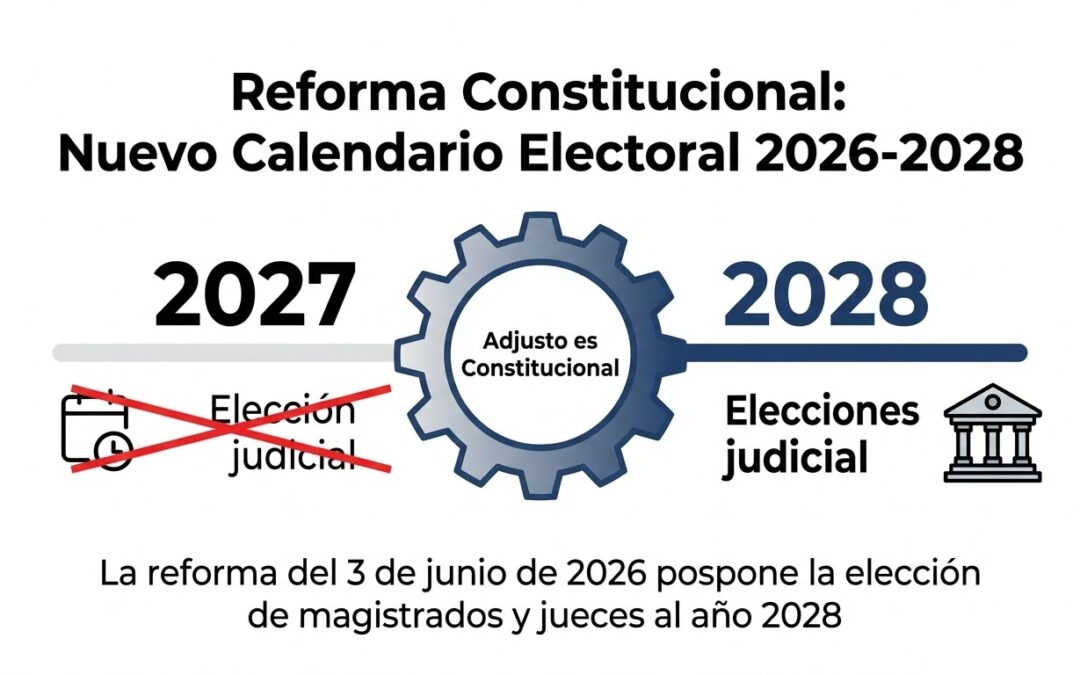
The constitutional reform of June 2026 modifies the electoral deadlines and grounds through three separate decrees published in the evening edition of the Official Gazette of the Federation (DOF). However, the most significant change is the postponement of the judicial elections from 2027 to 2028. Therefore, the Federal Judiciary will not elect magistrates and judges in 2027, as initially planned.
Entre los cambios aprobados, destaca la incorporación de la intervención o injerencia extranjera como nueva causal de nulidad electoral, una figura que requerirá de prueba clara y contundente para sostenerse. De igual forma, la reforma a la Ley General de Instituciones y Procedimientos Electorales contempla la creación de una comisión verificadora de la probidad de los candidatos.
First Change: Postponement of the Judicial Election to 2028
Originally, the 2024 judicial reform stipulated that the election of magistrates and judges would take place in June 2027. However, this constitutional reform of June 2026 postpones that process to 2028. The reason: it allows for the consolidation of institutional changes and generates greater certainty in the federal justice system.
Este aplazamiento tiene implicaciones críticas para empresas litigantes. En consecuencia, los criterios actuales de los jueces federales se mantienen vigentes durante 18 meses adicionales. En consecuencia, los criterios actuales de los jueces federales se mantienen vigentes durante 18 meses adicionales. Asimismo, los abogados deben actualizar sus estrategias litigiosas considerando que no habrá renovación de la judicatura en 2027.
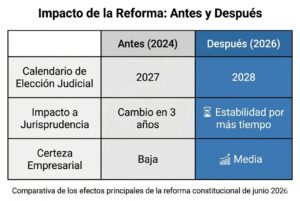
Comparison of the main effects of the constitutional reform of June 2026
Second Change: New Ground for Electoral Nullity — Foreign Intervention
Furthermore, the constitutional reform incorporates proven foreign intervention or interference in the electoral process as grounds for electoral annulment. This new provision responds to international concerns regarding the integrity of the vote. It is important to note that the National Electoral Institute (INE) must prove the causal link between the interference and the electoral outcome.
Las implicaciones para empresas transnacionales son claras: están prohibidas de participar en financiamientos electorales, aun indirectamente. Un caso claro ocurre cuando las aportaciones a organizaciones terminan financiando campañas, lo cual puede constituir injerencia extranjera. En consecuencia, el cumplimiento normativo electoral es más exigente que antes.
⚖️ Do you have questions about this topic? The lawyers at Baráibar & Asociados in Mexico City can guide you. Schedule your consultation today.
Third Change: Candidate Integrity Verification Commission
Con la llegada de un órgano especializado en vigilar la probidad de los candidatos, las investigaciones sobre los aspirantes se centrarán únicamente en sus registros fiscales, penales y administrativos. No obstante, al tener competencias limitadas, la potestad definitiva para invalidar una postulación se mantendrá bajo la jurisdicción del INE.
Cuando hay socios o accionistas que aspiran a cargos públicos el impacto para empresas es significativos. En primer lugar, sus antecedentes serán escrutados públicamente. Además, cualquier incumplimiento fiscal o administrativo puede impactar sus capacidades políticas.
Evaluation of the Current Legal Context
The Mexican Bar Association (BMA) issued a critical statement on June 2, warning that these reforms do not correct the structural problems stemming from the 2024 judicial reform. In fact, postponing the judicial election generates additional economic uncertainty.
Dentro del sector empresarial se tiene la inquietud se ha hecho evidente ante la continuidad de juzgadores con posturas consideradas de alto riesgo. A esto se suma el impacto del nuevo requisito de probidad electoral sobre los candidatos del ámbito corporativo, una medida que limita la pluralidad de perfiles en las boletas electorales.
However, experts consulted point out that the postponement to 2028 allows the new institutions created by the 2024 reform to consolidate. Therefore, the measure is pragmatic, albeit temporary.
📋 Don't face this process alone. At Baráibar & Asociados, we have specialists in Constitutional Law ready to defend your interests in Mexico City.
Immediate Obligations for Businesses and Citizens
In addition to complying with the new electoral regulations, companies must audit their relationships with candidates and political parties. It is important to note that any contribution, even indirect, can be classified as foreign interference if it involves foreign entities.
Los ciudadanos deben entender que el nuevo estándar de probidad electoral es más riguroso. No obstante, las garantías del debido proceso se mantienen; de igual manera, las decisiones de la comisión verificadora pueden impugnarse ante los órganos electorales correspondientes.
In conclusion, the constitutional reform of June 2026 is not a radical change, but it does represent significant adjustments. Therefore, expert advice is more valuable than ever to navigate this new legal landscape.
Regulatory Sources and Legal Reference
🔗 EXTERNAL LINK: Official Gazette of the Federation – Amendments of June 2, 2026 → https://dof.gob.mx
🔗 EXTERNAL LINK: Suprema Corte de Justicia de la Nación – Información sobre Reforma Judicial → https://www.scjn.gob.mx
🔗 EXTERNAL LINK: Barra Mexicana Colegio de Abogados – Comunicado de Posición → https://www.bma.org.mx
Frequently Asked Questions (FAQs)
- Does the constitutional reform of June 2026 affect active litigation processes?
No, no afecta procedimientos vigentes, solo modifica el calendario electoral. Sin embargo, el aplazamiento de la elección judicial mantiene los criterios interpretativos actuales por más tiempo. Por ello, la jurisprudencia existente sigue siendo vinculante hasta 2028. Los litigios en curso se resuelven conforme a las normas aplicables al momento de promover la acción.
- What are the penalties for proven foreign election interference?
Aunque el texto de la reforma no especifica un catálogo de sanciones, estas se remitirán directamente a lo establecido en el Código Penal Electoral. Asimismo, se contempla la posibilidad de declarar la nulidad de los comicios donde se determine injerencia, con la condición de que la prueba sea inequívoca y se acredite ante el INE.
- What does ‘probity’ mean in the context of the verification commission?
Probity means moral integrity and rectitude in the exercise of public functions. The commission verifies criminal, administrative, and tax records. It also investigates declared conflicts of interest. However, the standards of ‘probity’ vary according to the electoral body's interpretation.
- Can the decisions of the probity verification commission be challenged?
Yes. Candidates may file administrative appeals and electoral litigation. However, the procedure must be completed before the candidate registration period closes. Likewise, the burden of proof rests with the party challenging the commission's decision.
- Are the eligibility requirements for candidates changing?
Not in a formal sense. The age, nationality, and residency requirements remain the same. However, the new integrity filter adds a de facto requirement: no serious criminal, administrative, or tax record. Therefore, access to candidacies becomes more selective.
- Until when will the postponement of the judicial election to 2028 be valid?
The postponement is enshrined in the reform and can only be modified through a new constitutional amendment. Similarly, it would require approval in both houses of Congress and 50% of state legislatures. Therefore, it is virtually irreversible within the current presidential term.
Protect your rights with expert legal advice from Baráibar & Asociados. Contact us in Mexico City for a tailored constitutional strategy.
Disclaimer
This article is for informational purposes only and does not constitute formal legal advice or establish an attorney-client relationship. Legislative changes can be interpreted in multiple ways depending on specific contexts. Always consult with a qualified attorney before making decisions based on these regulations.
by paulina@baraibar.com.mx | Jun 3, 2026 | Constitutional Law, Corporate Law
Baráibar & Asociados | Análisis Jurídico Estratégico
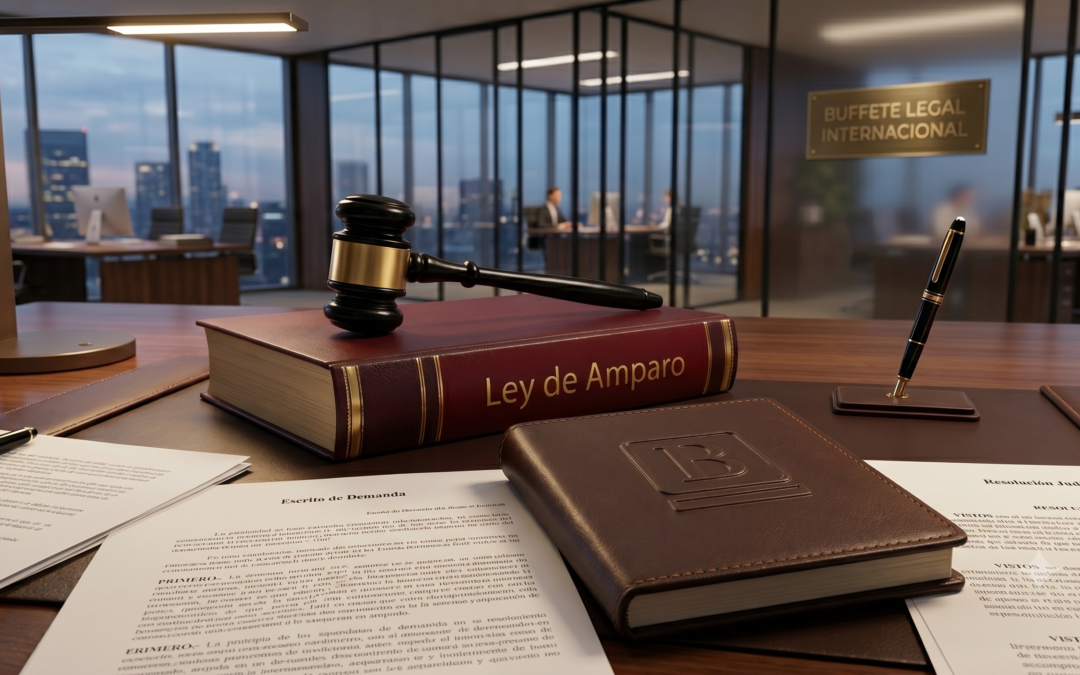
The reform to the Amparo Law 2025The ruling, published on October 16 in the Official Gazette of the Federation, reshaped the constitutional framework in Mexico. Every company with operations in Mexico City needs to understand the true scope of these changes before its next conflict with a tax or administrative authority.
This isn't about technical adjustments. It's about a structural shift in the amparo proceedings: tax matters, suspensions of the challenged action, judicial digitization, and retroactive application. Companies that don't update their legal strategy will be exposed to risks that, six months ago, were easily defensible.
At Baráibar & Asociados, we analyzed the decree and its operational impact on businesses, real estate companies, and corporations in Mexico City. This guide explains the critical points, hidden risks, and strategic decisions your company should make this quarter.
What changed with the 2025 reform to the Amparo Law? This guide explains the critical points, hidden risks, and strategic decisions your company should make this quarter.
What changed with the 2025 reform to the Amparo Law? This guide explains the critical points, hidden risks, and strategic decisions your company should make this quarter.
The reform is based on four pillars: digitization of the Services Portal of the Federal Judiciary, restriction of amparo in tax matters, modification of the rules of suspension of the challenged act and a retroactive transitional provision that most constitutional experts consider openly unconstitutional.
Each of these measures has direct consequences for businesses in Mexico City. Digitalization requires businesses to have legal representation registered on the electronic portal. Tax restrictions close doors that for decades protected taxpayers from enforceable tax assessments. The new suspension rules expand exemptions for public entities. The retroactive transitional provision also opens a window for constitutional litigation that only specialized law firms are prepared to navigate.
Mandatory judicial digitization: the new Services Portal of the Federal Judiciary
The reform prioritizes electronic filing as the primary means for amparo proceedings. Responsible authorities, third parties, and petitioners must operate through the Online Services Portal of the Federal Judiciary. Physical filing of documents is no longer the rule but becomes an exception reserved for very specific cases.
Therefore, electronic notifications acquire full procedural validity, and deadlines begin to run from the date of the consultation or the legal presumption of consultation. Furthermore, the responsible authorities must digitize actions, administrative files, and records that were previously presented on paper, which accelerates the process but also makes it less forgivable for oversights.
Consequently, a modern firm needs a law firm with valid e-signature certificates, internal infrastructure for receiving electronic notifications, and a clear protocol for digital case tracking. A 48-hour delay in checking the portal can result in preclusions, fines, or the loss of proceedings. Firms still operating with traditional practices face an operational risk even greater than the underlying risk of the case itself.
⚖️ Do you have questions about how the reform to the Amparo Law affects you?
The lawyers at Baráibar & Asociados in Mexico City can guide you.
Schedule your appointment today.
Restrictions on tax protection: the shield was reduced
The most significant change for businesses is the restriction on legal protection against final tax assessments. Previously, a company could challenge the merits of an assessment even after it became final, alleging substantive violations during its enforcement. Historically, this loophole saved companies with millions of dollars in debt stemming from poorly substantiated tax audits by the Mexican Tax Administration Service (SAT).
Today, the amparo proceeding is only admissible against acts of execution or collection, up to the publication of the auction notice, and only for violations that occurred within the administrative execution procedure. The scope is limited to procedural errors in the collection process, not to the original debt. The merits of the case are no longer addressed in this final stage.
Consequently, the traditional strategy of appealing at the end of the process has been ruled out. If the company did not properly defend itself from the initial assessment of the credit—or from the appeal for reconsideration, or from the administrative litigation—its subsequent recourse is limited to procedural flaws that are almost always minor and rarely decisive.
What it was like before the reform
Before October 17, 2025, taxpayers could challenge a final tax assessment through indirect amparo proceedings when they detected constitutional violations that had not been previously identified. This amparo was, in practice, a second chance for companies with multimillion-dollar assessments or with rulings that could be challenged due to supervening unconstitutionality. The Supreme Court of Justice of the Nation (SCJN) had established consistent criteria that kept this avenue of effective constitutional protection open.
What has changed and when is legal protection now available?
However, the reform limits this second opportunity. The injunction is only applicable against the enforcement proceedings, not against the underlying debt. Furthermore, it must be filed before the publication of the auction notice, not afterward. In conclusion, companies with debts under review must act now, before their cases reach a final stage and they lose effective constitutional protection.
Suspension of the contested action: new rules affecting companies
The suspension is the mechanism that prevents an authority from carrying out an action while the injunction is being resolved. Without a suspension, there is no effective injunction. The reform modified two key aspects of this mechanism: the granting of guarantees and exemptions for public entities, two components that underpin any serious business defense strategy.
On the one hand, the criteria for granting injunctions were tightened in fiscal, financial, and administrative matters. The district judge now requires stronger evidence of a prima facie case, irreparable harm, and public interest. On the other hand, public entities, decentralized agencies, and state-owned enterprises obtained exemptions that allow them to suspend challenged actions without providing financial security.
In practice, this combination creates an uncomfortable procedural asymmetry: the private sector must prove more to obtain a suspension, while the public sector accesses suspensions with fewer requirements. Companies litigating against authorities or state-owned enterprises face a more challenging playing field than just two years ago.
Guarantees, exceptions, and margins of defense
Therefore, companies need to provide robust evidence for each of the requirements for a stay of proceedings: prima facie case, irreparable harm, and the absence of prejudice to public order or the public interest. A poorly substantiated petition can deny the stay and expose the company to seizures, closures, or the freezing of bank accounts. Consequently, the technical expertise of the law firm matters more than ever, and the difference between amateur and premium litigation lies in the guarantees effectively provided.
Retroactivity: the transitional provision that generated constitutional alarm
The most controversial aspect of the reform is a last-minute transitional provision that allows the changes to be applied to trials initiated before the reform takes effect. The Mexican Constitution expressly prohibits the retroactive application of laws to the detriment of any person in Article 14. Few rules in our national legal system are as clear and as long-standing.
Therefore, this transitional provision is, in the opinion of most constitutional experts, blatantly unconstitutional. Companies with pending injunctions now face the possibility that their procedural rules may change mid-trial. This undermines the legal certainty that underpins any serious business defense strategy and discourages investment.
However, the unconstitutionality of the transitional provision paradoxically opens a strategic avenue: directly challenging its retroactive application through a new injunction. This litigation could establish legal precedent and protect all companies in similar situations. Furthermore, top law firms are building precedents in various circuits to challenge this transitional provision. The first rulings, expected in the second half of 2026, will set the standard for the entire Mexican business sector.
📋 Don't face this process alone.
At Baráibar & Asociados we have specialists in Amparo and Constitutional Litigation ready to defend your interests in Mexico City.
Impact on corporate defense strategy: from litigation to lobbying
The reform has brought about a paradigm shift in corporate defense. Companies that historically relied on injunctions as a bulwark are now exploring other avenues. Institutional lobbying, administrative mediation, international arbitration, and negotiation with authorities have become essential components of modern legal strategy.
However, this does not mean that constitutional litigation is dead. It means that it can no longer be improvised. Every action must be planned from the outset, starting with prevention and the first act of authority, not at the end of the process. Legal planning replaces legal reaction, and boards of directors must update their risk matrices.
Strategic litigation still viable
The amparo proceeding remains the most powerful tool in Mexican law. However, it demands impeccable preparation, robust documentary evidence, and a legal team with proven constitutional experience. Companies that continue to treat amparo as a last resort will lose out; those that integrate it into their corporate governance and compliance matrix will gain decisive advantages in their defense.
Arbitration and mediation as alternatives
On the other hand, international arbitration and administrative mediation allow for the resolution of disputes outside the judicial system. These avenues are gaining ground in the corporate, energy, real estate, and technology sectors. Furthermore, they offer predictability, confidentiality, and speed that Mexican courts do not guarantee, especially in a judicial environment undergoing significant restructuring.
What should businesses in Mexico City do? Preventive checklist
In the face of a regulatory change of this magnitude, prevention far outweighs reaction. Companies in Mexico City must immediately review their contracts, their tax exposure, and their map of active litigation. Furthermore, they should update their defense strategy with their primary law firm and inform their board of directors of the new situation.
- Audit all tax credits under review or to be determined before they reach a final stage.
- Review the arbitration and jurisdiction clauses of current contracts with suppliers, partners, and authorities.
- Strengthen the internal compliance area and the protocols for immediate response to acts of authority.
- Request the firm to conduct a specific analysis of how the retroactive transitional provision affects any ongoing injunctions.
- Update the board of directors' legal risk map with a focus on tax and administrative matters.
Finally, it is advisable to establish a direct line of communication with a law firm specializing in constitutional protection and litigation. In this new environment, speed of response is as important as the technical quality of the document.
🛡️ Anticipate the risks of the new Amparo Law.
Baráibar & Asociados offers preventative analysis and specialized defense for companies that cannot afford to improvise.
Conclusion: a new stage for the defense of the Mexican Constitution
The 2025 reform to the Amparo Law marks the beginning of a new era for Mexican business law. Constitutional protection remains, but it demands sophistication, anticipation, and boutique-level legal support. Amparo is no longer a reactive measure but has become a key element of preventative strategy.
Companies that take action this quarter will be better positioned with the tax authorities, the judiciary, and other administrative bodies. Those that wait will discover that the protection they took for granted has been reduced and that rebuilding it too late costs far more than preventing problems in time.
Frequently asked questions about the 2025 reform to the Amparo Law
When did the 2025 reform to the Amparo Law come into effect?
The reform was published in the Official Gazette of the Federation on October 16, 2025, and entered into force on October 17 of the same year, pursuant to the First Transitory Article of the decree. It applies to all proceedings initiated from that date and, controversially, also to certain pending matters by virtue of a transitional provision.
Does the reform to the Amparo Law apply retroactively to trials in progress?
Yes, according to a transitional provision challenged as unconstitutional under Article 14 of the Constitution, which prohibits retroactive application to the detriment of any person. Companies with existing injunctions can challenge this application through a new constitutional lawsuit, which is generating valuable precedents in specialized courts.
What tax changes did the reform to the Amparo Law bring?
The injunction against final tax assessments is restricted to acts of enforcement or collection, up to the publication of the auction notice, and only for violations of the enforcement procedure, pursuant to Article 107 of the amended Amparo Law. It precludes challenging the substance of the original assessment.
Can my company continue to file for protection against SAT resolutions?
Yes, but the correct procedural moment has passed. It's advisable to file for amparo (constitutional protection) from the moment the debt is determined, the appeal for reconsideration is filed, or the administrative litigation begins, not at the end. After the judgment becomes final, amparo is only available against procedural defects, which significantly reduces the scope for effective defense.
What is the suspension of the challenged act and how does it change with the reform?
It is the precautionary measure that prevents the execution of the act while the amparo (constitutional protection) is being resolved, regulated in Article 128 of the Amparo Law. The reform tightens the requirements for private individuals and expands guarantee exemptions for public entities, creating a procedural asymmetry that requires technically strengthened written submissions from companies.
What alternatives does my company have if the injunction is restricted?
The main options are domestic or international commercial arbitration, administrative mediation, institutional lobbying, and negotiation with authorities. Additionally, a proactive strategy encompassing tax compliance, contracts, and corporate governance reduces the need for litigation. The writ of amparo remains in effect, but as an integrated tool, not as the sole remedy.
Legal references
Amparo Law, Regulating Articles 103 and 107 of the Political Constitution of the United Mexican States (last amendment published in the Official Gazette of the Federation on October 16, 2025). https://www.diputados.gob.mx/LeyesBiblio/ref/lamp.htm
Constitución Política de los Estados Unidos Mexicanos, artículos 14, 103 y 107. Cámara de Diputados del H. Congreso de la Unión. https://www.diputados.gob.mx/LeyesBiblio/
Suprema Corte de Justicia de la Nación. Buscador Jurídico de Tesis y Jurisprudencia. https://bj.scjn.gob.mx/
Diario Oficial de la Federación, edición del 16 de octubre de 2025. https://www.dof.gob.mx/
Disclaimer: This article is for informational purposes only and does not constitute formal legal advice or establish an attorney-client relationship.
👉 Schedule a legal consultation at Baráibar & Asociados.